SERBIAN MUSICOLOGICAL SOCIETY

Serbian Musicological Society (SMS) was founded on 5th July 2006, and in the same year on 25th December it was registered as a scientific society. 
In the very beginning of 2007 SMS began their activities, with the main goal to promote Serbian musical and musicological creativity in the country and abroad. Organizing series of concerts with the key works of Serbian professional music has its place among their different activities. The series is entitled the Anthological Works of Serbian Music, with the aim to, out of always conceptually and program profiled musicological corner, show in an adequate way all significant meridians of our artistic music. 

The third concert of the series is actually a musical-scenic project done by MSM in cooperation with Madlenianum Opera and Theatre, but in organizational, professional and financial terms. The Projec involves two ballet performances in the choreography of Aleksandar Ilic, at the original music by Serbian composers, Miloje Milojevic (The Valet’s Broom ballet) and Dusan Radic (Ballad of the Stray Moon).

Ballets are to be performed within the 9th Belgrade Dance Festival.


Dr. Mirjana Veselinovic-Hofman

The President of Serbian Musicological Society 

NEW ASPECTS OF COOPERATION

Not only the drawn undertakings, referring to heritage and Serbian tradition in the opera and ballet domain, are among the program goals of our house, but they are continually being implemented. Besides the opera by Ivan Jevtic, “Mandragola”, in cooperation with the Musicological Society, with the Belgrade Dance Festival we also set two Serbian ballets, fundamentals in Serbian music as well as in the national ballet development. Particularly significant is our cooperation with the scientific society that throughout its activities expresses an obligation, willingness and necessity to preserve and revitalize the heritage. We want to continue and deepen the cooperation on mutual satisfaction, trying in joint work to achieve all we have owed to our country’s culture. 

Dr. Branka Radovic
General Manager of Madlenianum Opera and Theatre

return to ballet Two serbian ballets

THE VALET’S BROOM

Ballet grotesque The Valet’s Broom / Le balai du valet by Miloje Milojevic (1884–1946) was for the first time performed at the Ball 1002 Night, having been held on the premises of the Hotel Kasina on 16th February 1923. The whole spectacle was the first in the line of thematic balls, organized on the occasion of raising funds for building the Art Pavilion Cvijeta Zuzoric and besides Milojevic’s ballet it also included the exhibition, costume ball and variety program. Numerous artists, writers, musicians, dancers and actors of different generations and esthetic opinions took part in that multi-artistic project, all gathered in a mutual rebellion against artistic canons and conventional division into “classical” and “popular” values of culture and life. Ball “1002 Night” Poster from 1923.

Their subversion was close to the activities of Parisian avant-garde artists, who were surprising the world with their experiments. That was testified by different segments of Belgrade ball, from the interior project “a la mode cubisme, art no?negre et cinéma“ to the ballet grotesque, which besides Milojevic, was created by Marko Ristic, as the text writer, Aleksandar Deroko, the scenography author and Klavdija Isacenko and Jelena Poljakova, as choreographers.

According to Ristic’s text the work of art is a “psychological ballet of dream and reality” about happenings in the “poet’s mind” out of which flows the range of personalities and situations, directed towards the identity search in the sphere of poetic deformation of reality. Presented in analogy with a film framing technique, the content and formal structure of the text negate a dynamic continuity of thought process have largely induced Milojevic to experiment in ways, atypical for his work. In creative closeness with the works of French “The Six” and especially with Erik Satie’s ballet Parade, the composer enters into combining of audio, visual and verbal medium, and he lifts the collage technique procedures to the level of esthetic and forming principle of the work. He easily makes distance towards citation and simulation of the music of romanticism, impressionism and commercialized forms of popular culture of that period- waltz, foxtrot and sevdah songs. Either approaching them intentionally, as to finished objects in their inadequate sound surrounding, or parodying them with his music interventions and textual remarks, he negates conventions and accomplishes new sound combinations, but with clear non-musical implications ranging from joke and irony to grotesque and persiflage. Milojevic gives himself up to critical heart-searching as well, making distance from aesthetics and creative sense of most of his own works, showing another, but displaced and excessive face of his stylistically heterogeneous opus. Supplementing the very Ristic’s text with new dimensions of identity searching, Milojevic rounds up an experiment that, as a part of critical rebellion of Belgrade ball spectacle, has remained to give evidence about early avant-garde achievements of Serbian art, creatively current in international proportions. 

M.Sc. Biljana Milanovic, musicologist 

return to ballet Two serbian ballets

DEČIJA OPERA

ČAROBNA FRULA

Sreda, 18. decembar 2013. u 18.00
Velika scena Madlenianuma

13. izvođenje

Libreto: Emanuel Šikaneder

(skraćena verzija)

Umetnički rukovodilac: Stanko Jovanović
Klavirska saradnja: Vladimir Gligorić
Flauta: Ana Radoičić
Inscenacija i režija: Ana Radivojević-Zdravković
Dramaturg i asistent reditelja: Tadija Miletić
Scenograf: Ilija Višnjić
Kostimograf: Jelena Antanasijević
Izvršni producent: Andreja Rackov

uloge:

Kraljica noći...........................Irina Dragojević
Sarastro, veliki sveštenik....... Sava Vemić                                    
Pamina, njena ćerka.............. Olivera Tičević
Princ Tamino......................... Tibor Heveši
Papageno, čovek-ptica.......... Pavle Žarkov
Papagena...............................Branislava Podrumac
Tri dame Kraljice noći............Sonja Pana                                                                                           
                                              Marijana Radosavljević
                                              Marčela Frančesko
Tri dečaka..............................Aleksandra Anđelković
                                     Jana Momirović

                                              Jovana Bijelić
Devojčice...............................Ksenija Repić
                                     Kristina Bojić (violina)

Inspicijent: Vesna Ćurčić-Petrović
Vokalni pedagozi: Tanja Obrenović, Nenad Nenić
Muzička priprema: Vladimir Gligorić, Jelena Šiljeg

Dizajn svetla: Miloš Nešić · Regulacija svetla: Vladimir Krunić · Realizacija zvuka: Dušan Arsikin
Realizacija videa: Zvonimir Jelušić · Sufleri: Zorica Popović, Kristina Jocić, Silvija Pec
Majstor pozornice: Milan Ćirić · Šminka i frizure: Mirjana Rakić
Garderoba: Tanja Vuksanović i Miladin Pavićević


BALLAD OF THE STRAY MOON

Ballad of the Stray Moon, a burlesque love play in three scenes (ballet)- opus 5, premiere: The National Theatre, 1960. 

At not the age of thirty (1957), Dusan Radic (1929-2010) began working on his first ballet, burlesque love play in three scenes- Ballad of the Stray Moon. The very subtitle of the work indicates its distinct displacement from the classic ballet field and proves already gained positions of the author as the composer being prone to different aspects of subversions, firstly to incessant reconsideration of the high art canonic values. Certainly having been inspired by his Paris specialization experience at Darius Milhaud, the composer whose scenic experiments are the synonym for hedonistic Parisian twenties of 20th century, Radic proudly engaged into a similar genre combination in his ballet (ballet with a reciter) in one hand, as well as diverse crossings of popular music genres simulated elements (ranging from Serbian folk dance-kolo, over old-town music, called “inn” music by him, to jazz) with media and genre “infrastructure” of classic ballet, in the other hand. However the work in every respect, thankfully to the fact that it is based on the same called poem by Bora Cosic, testifies to the “opening” atmosphere, characteristic for Yugoslavia in late fifties, featured by the popular culture breakthrough, bringing along the life habits and values change, but also to the atmosphere that implied both individual engagements of artists and their interest in the questions of alienation and contemporary life problems, in general. Finding himself, as a freelance artist, in such a specific “market” surrounding, Radic composes the Ballad. Regarding that, the composer says: “When the adolescents’ excitements allayed, when wide opened eyes began to watch more sober, the world was changing into burlesque; I covered too serious things with imagination. The lesson drawn by experience was that the game should be continued in a much more relaxed manner and that misadventures were not to be taken literally. I turned to the theatre. I began writing ballet, then opera, all with the intention to, by easily acceptable music, offer only impetuses to the listeners, viewers, impetuses for independent life enigmas solving.” (Radic, the List of Compositions and Comments) 

Subject-matter:

1. Scene: The Earth. The poet waits for his darling. Time passes. The poet persistently waits. 

2. Scene: The Sky. The poet looks for his darling among the stars. Natives chase him away. 

3. Scene: The Earth. The poet finds his darling. The encounter breaks all his “nice illusions” and after a usual sadness, he has nothing else but to begin with a new illusion. 

Dr. Vesna Mikic, musicologist

return to ballet Two serbian ballets

THE MUSICAL THAT CREATES THE THEATRE HISTORY

THE MUSICAL THAT CREATES THE THEATRE HISTORY

After the British première in the Barbican Theatre in London, in 1985, and then the American première on Broadway in 1987, Les Misérables (called Le Miz by their fans) became a hit that never left the world musical stages. This musical won more than 50 most significant awards, among which was Grammy for the album with the songs from Broadway performance (triple platinum disc). The crown of the success of this musical is the award TONY for 1987. In that year, 2007,  Les Misérables celebrated their 22nd birthday in London, and thus became the longest running musical in the world, breaking in that way the record of the legendary Cats. So far over fifty million spectators have seen this musical – in 223 towns, such as Tokyo, Budapest, Sidney, Reykjavik, Oslo, Toronto, Madrid... The musical was translated into 21 languages, and quite recently it celebrated its thirty-nine thousandth world performing. As of 2008, Les Misérables will, in addition to many great world languages, be performed in the Mandarin language in Shanghai as well, and it was presented for the first time to the public of Serbia and Belgrade at the stage of Madlenianum in October, 2007.

Victor Hugo: Song lingers where there is no longer any hope.

...“  one is running  short  of  words  of  superhuman  commendation  for  the  brilliant  musical-scenic  accomplishment in Madlenianum,  entitled " Les Misérables ", which  spurs  on this year’s BEMUS to the heavenly elevations, throwing  galaxies  of its glittering stars all over such  a  memorable all-night road!...

Zorica Kojic
Danas, 22nd October, 2007

return to musical Les Misérables 

BOOK-MONUMENT

Victor Hugo
Les Misérables

BOOK-MONUMENT

Les Misérables by Victor Hugo were written in 1862, and were considered the best-known novel of 19th century. This book-monument follows lives of several characters in a twenty-year period at the beginning of 19th century, which includes a turbulent Napoleonic era and even more uncertain decades thereafter. The central figure, a sort of epoch mirror, is Jean Valjean, who simultaneously escapes and takes part in history, trying to get away and redeem himself. But, Les Misérables are not only the history of their characters. As if he was dragging the whole bunch of history and recording everything that hooked onto the story, Hugo depicted in this novel a genuine small geography of Paris, the largest European city of 19th century. He also offered a gallery of peripheral heroes, out of whom everyone and each, to the last beggar, fortune-teller or Parisian prostitute, became alive before the eyes of the reader. And when the description is completed, a writer of Victor Hugo type begins to fantasize and contemplate. It is not said in vain that Hugo the novel writer is never as big as when he stops „creating the novel “. At that moment, his vigorous social engagement becomes evident, and the novel starts to investigate the nature of good and evil, but also to deal with politics, ethics, law, religion, and even with the debates on sorts and nature of romantic and family love.

The novel Les Misérables originates from the life story of a real person – an ex-convict and a famous policeman Eugène François Vidocq, whose character is divided into two main characters, but on this basis he created the work that was considered classic even during his life. Les Misérables were not only read, but were also retold, Hugo’s thoughts from the novel were repeated in every day’s life as sayings, and when the writer was exiled to the island of Jersey, many of his words and sentences got the power of combat slogans, like those in the next, 20th century. It is quite obvious that such a novel, popular even during the life of its author, will continue to live even more intensively its artistic life after his death, too. Already in 19th century, Les Misérables were translated into all important European languages, and then, in 20th century, practically into all world languages.

Victor Hugo: To die is nothing; but it is terrible not to live...

return to musical Les Misérables 

Kontakti

Sektor komercijalnih poslova 

Telefoni: 

062-8025824, 064-8803139, 066-8031561

sales@madlenianum.rs


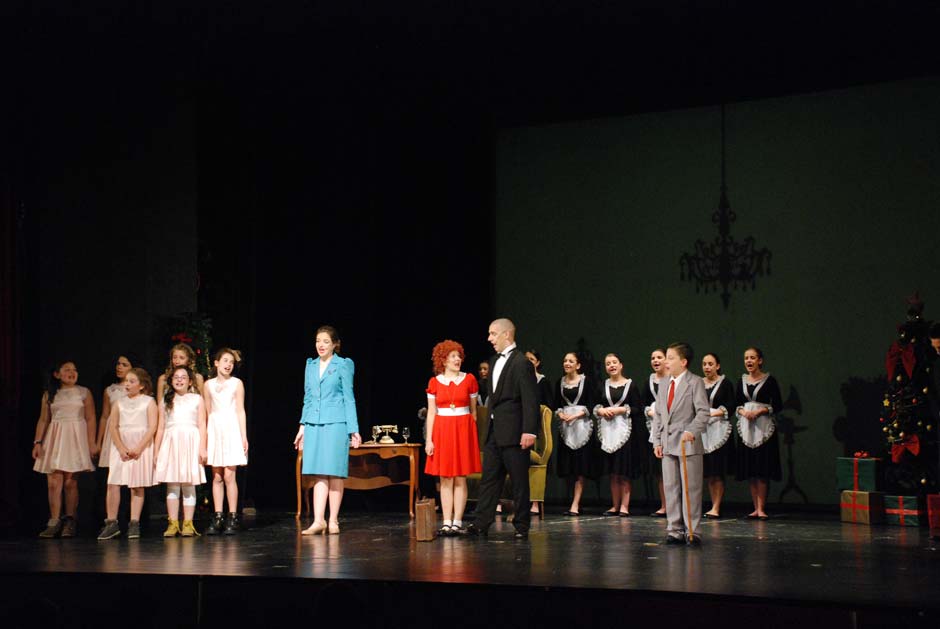
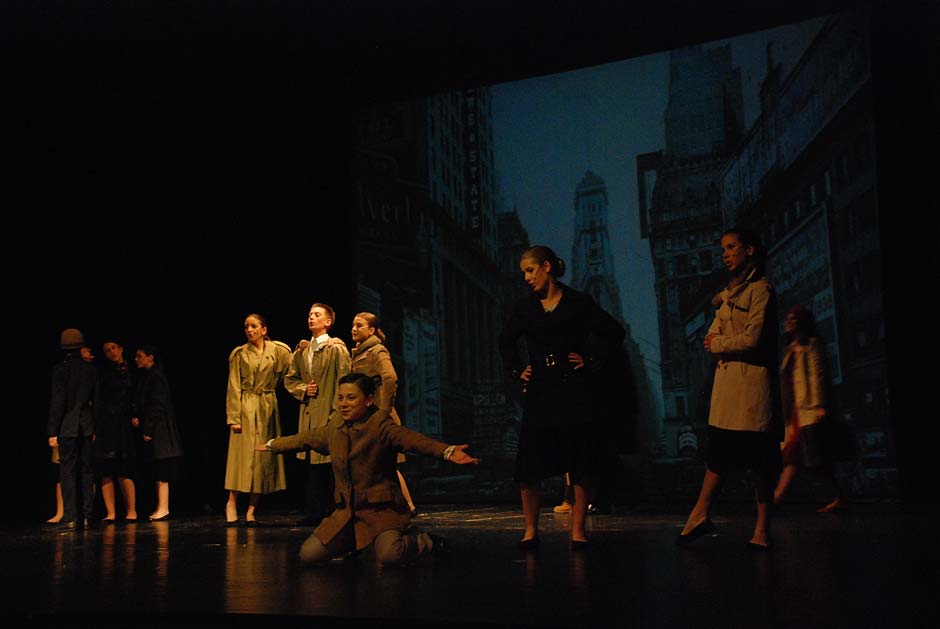
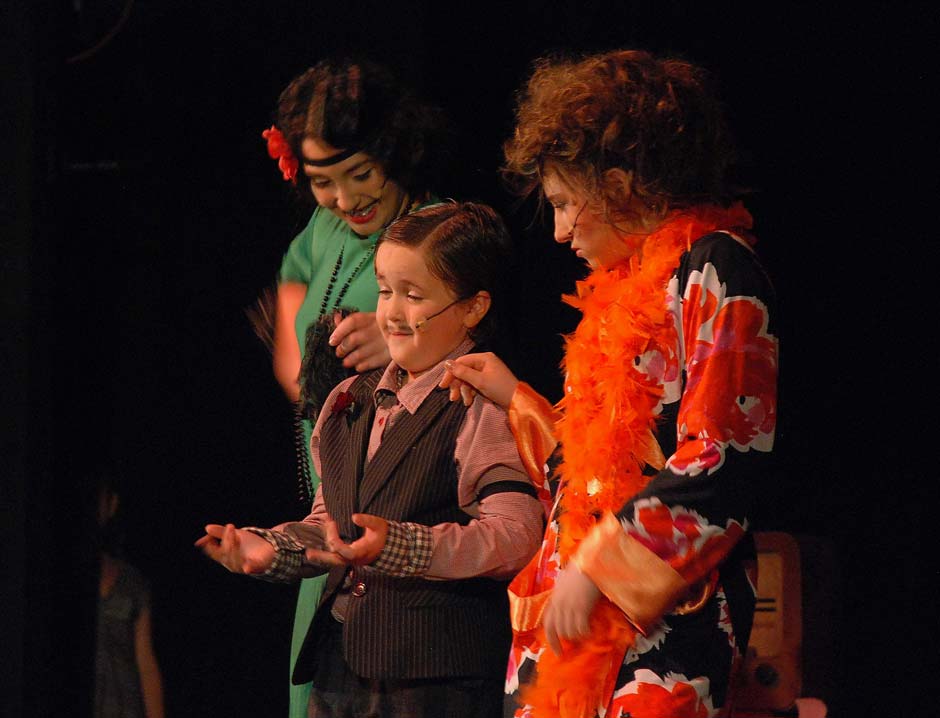
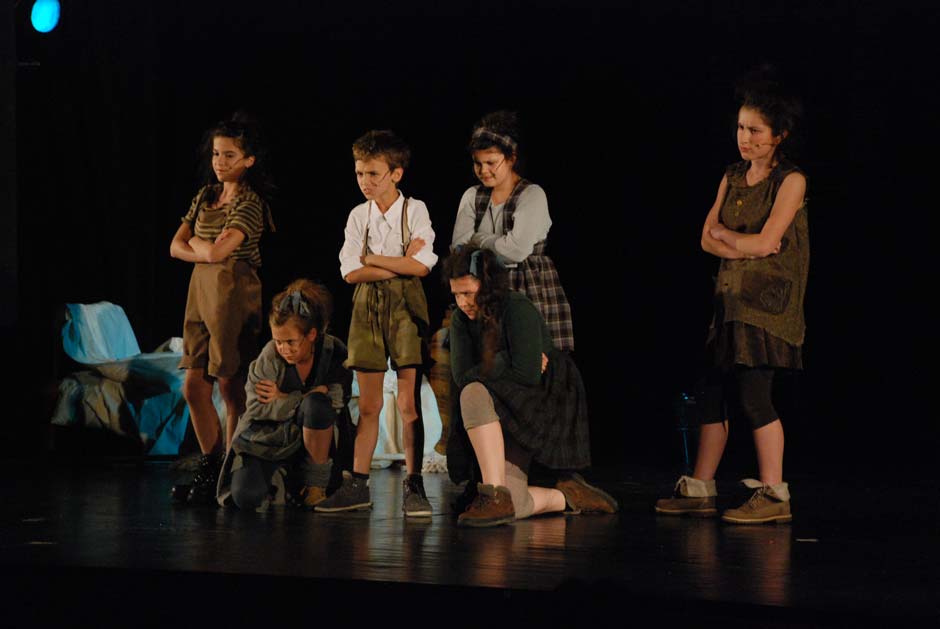
ANNIE JR

Povratak na vest Annie Jr

Annie Jr

Po knjizi  -  Thomas Meehan 
Muzika  -   Charles  Strouse  
Libreto  -   Martin Charnin  

Mjuzikl “Annie Jr.” predstavljen uz specijalnu saglasnost sa Music Theatre International, New York
Američki mjuzikl „Annie“ premijerno je prikazan na Brodveju davne 1977. godine. Doživeo je ogroman uspeh i izvodi se i dan danas.
Annie Jr.“ je prilagođena mladim izvođačima, do 18 godina, a mjuzikl je namenjen celoj porodici.
Predstava je sa svim songovima  prevedena na srpski jezik i za njeno izvođenje su obezbeđena autorska prava i licenca.
Nakon četiri prepune sale u Novom Sadu,  «Annie Jr»  .samo 7 i 8 decembra u Madlenijanumu.    

WISTERIA MAIDEN

Povratak na vest Beogradski festival igre 2014.

Wisteria Maiden

12. april, 20h
Velika scena Madlenianuma

Kompanija Andonisa Fonjadakisa
Atina, Grčka / Lion, Francuska

Wisteria Maiden
Andonis Foniadakis

(svetska premijera)

muzika: Julien Tarride
umetnička direkcija, koreografija: Andonis Foniadakis
kostimi: Anastasios Sofroniou
dizajn svetla: Saki Mpirmpilis
dizajn zvuka: TBC
fotografije: TBC

premijera: 2014, Belgrade Dance Festival
trajanje: 60’ 
igrači: TBC

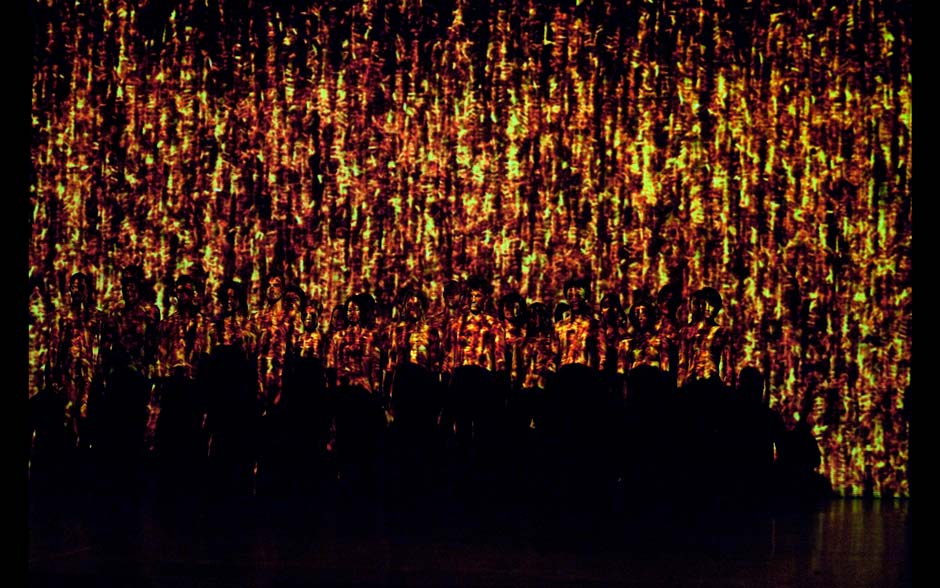
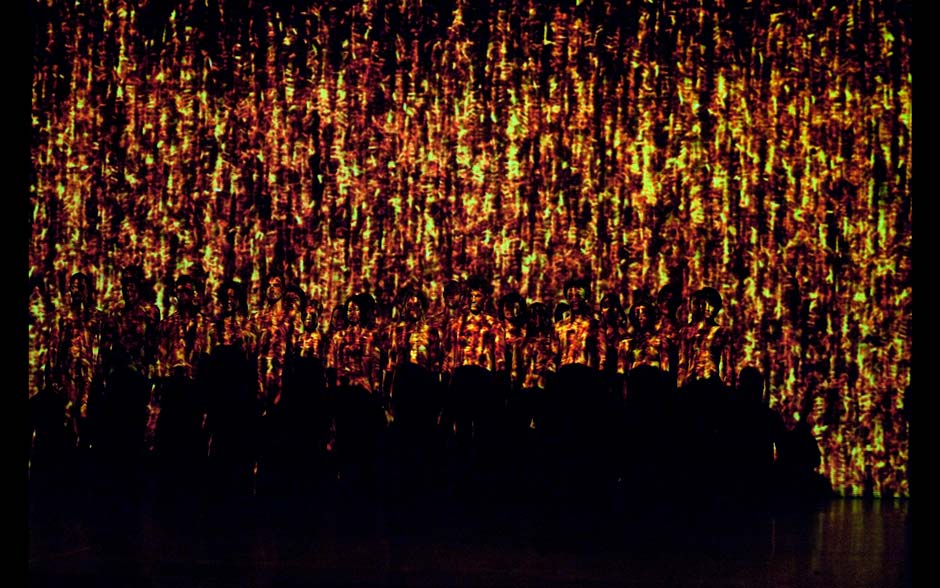
Wisteria Maiden je audio vizuelni koreografski spektakl u kome osam muških igrača nastoji da ukroti svoju impulsivnu mušku prirodu. Neizmerno moćno i osetljivo u isto vreme, lirsko delo Andonisa Fonjadakisa traži inspiraciju u načinu na koji japanska umetnost tretira vreme, bez pokušaja da ga reprodukuje. Obogaćena iskustvom dugogodišnje saradnje sa koreografom Saburom Tešigavarom, Fonjadakisova koreografija utemeljena je na tehnikama, korišćenju vremena i idejom osavremenjavanja japanske umetnosti, čiju čistoću i preciznost pokreta on zahteva od svojih igrača.

Wisteria Maiden je inspirisana klasičnim japanskim umetničkim formama: Kabuki pozorištem i Haiku poezijom. Radnja podseća na različite klasične igre iz Kabuki tradicije, kao i na brojne Haiku poetske forme koje koriste opise prirode kao retorički uređaj za snimanje ljudskih emocija . Projekat se ne temelji na ponovnom stvaranju tradicionalnih klišea, već ima za cilj da uhvati smisao vremena, prefinjenost, snagu i stilsku gustinu ove umetnosti. Wisteria Maiden pokušava da stvori originalnu, savremenu fikciju, koja redefiniše mešavinu različitih kulturnih uticaja u savremenoj igri. Trodelna dinamika Haiku poezije otkriva najmanje uočljive, najdublje sakrivene pokrete duše i prevodi kompleksne fraze u igru. Suočena sa jezikom tela, poezija je uvek više sugestija nego izvesnost, a još je manje pogled na svet. Ona je svet u svojoj najzagonetnijoj i neosetljivoj dimenziji. Wisteria Maiden je takođe inspirisana divljenjem prema muškim glumcima koji igraju ženske uloge u Kabuki pozorištu. Onagata otelotvoruje prirodni, filozofski i estetski rafirman u zapanjujućem spektru vekovima starih praksi.

Povratak na vest Beogradski festival igre 2014.